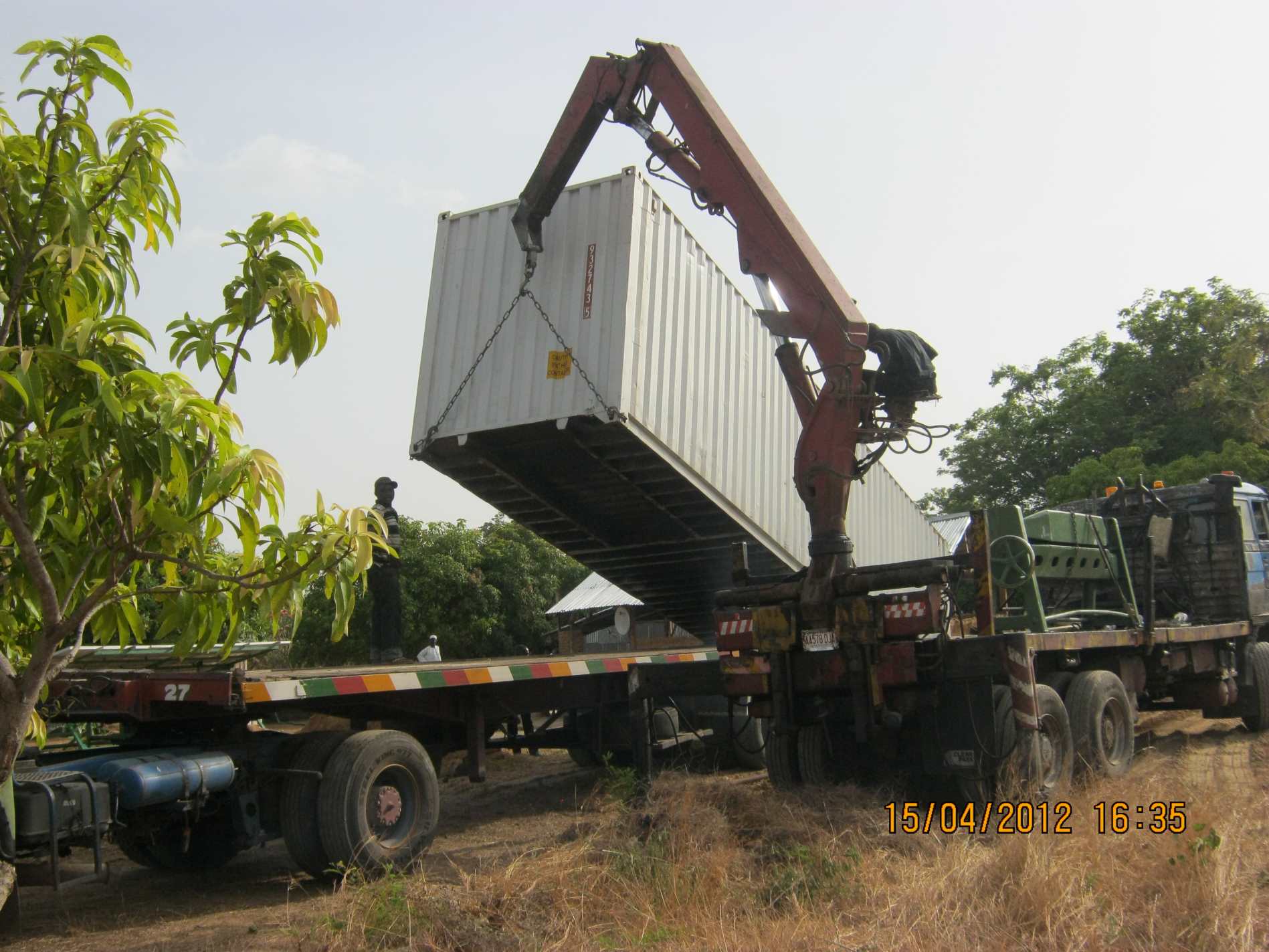
Donations for Gambia arrived

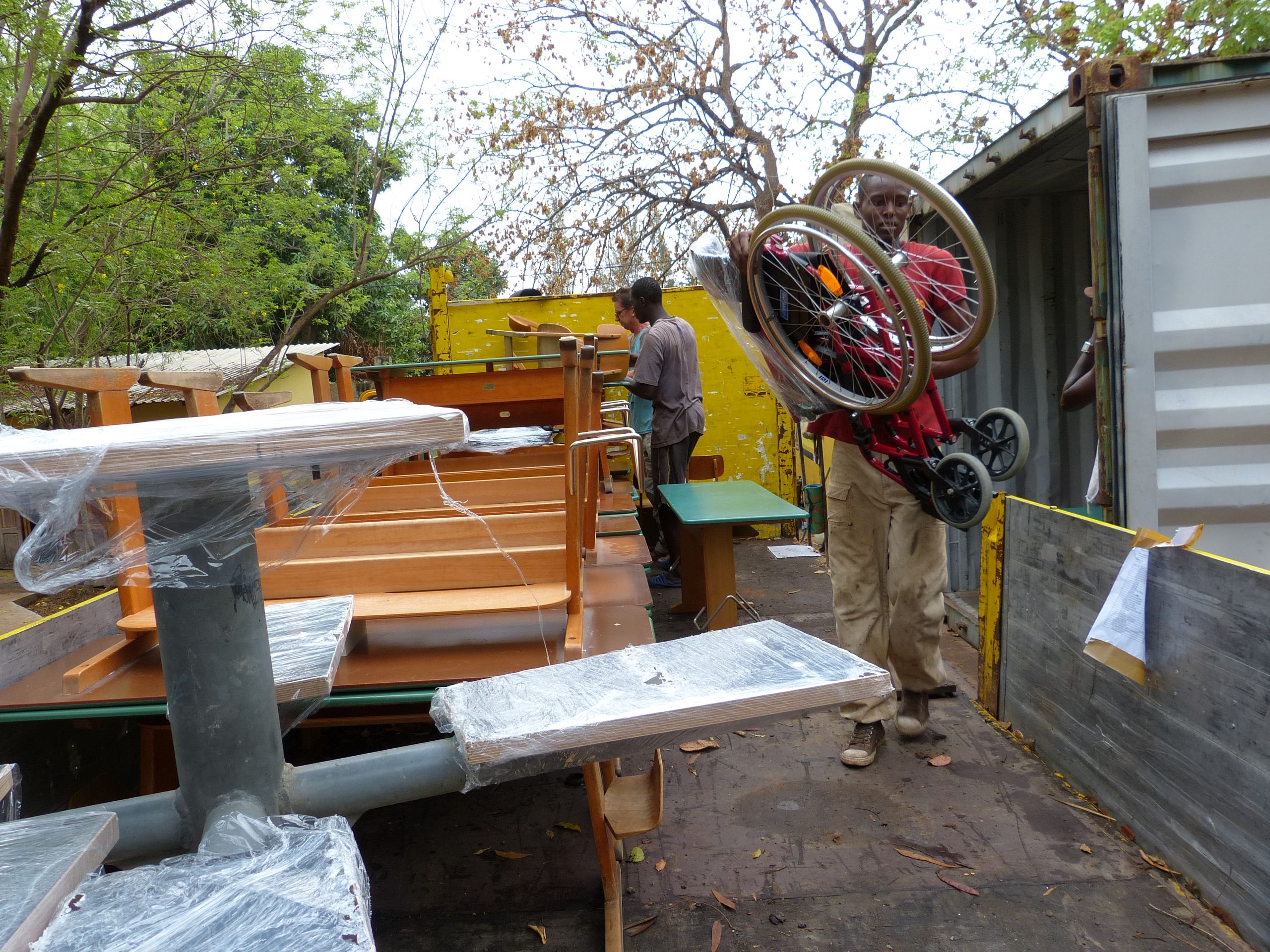
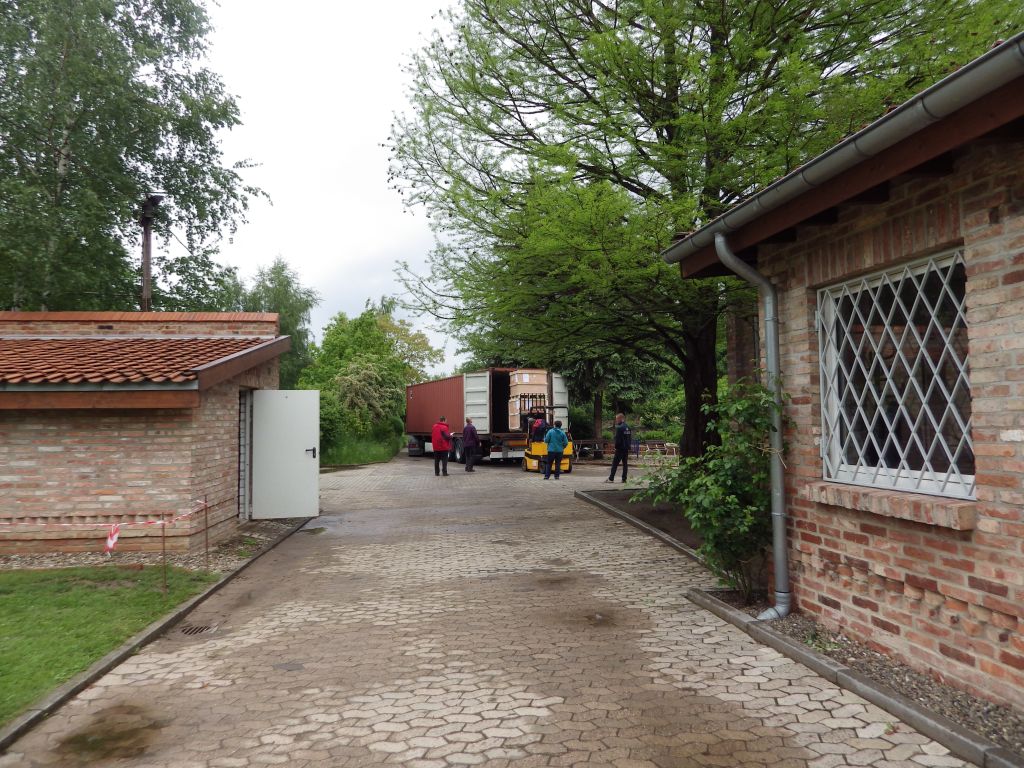
June 3, 2013 was the delivery date for loading a 40′ container for DBO to Banjul, the capital of The Gambia.

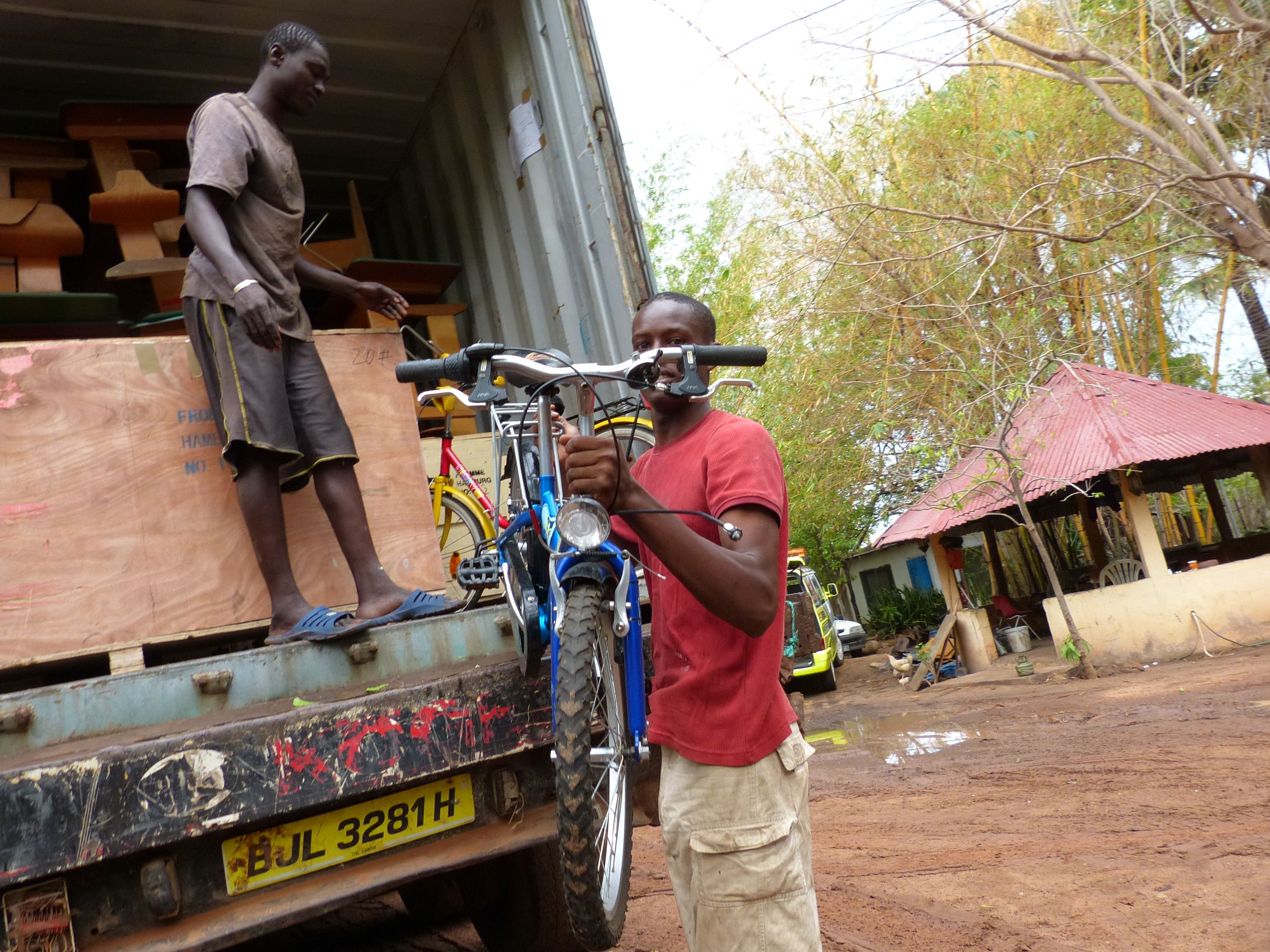
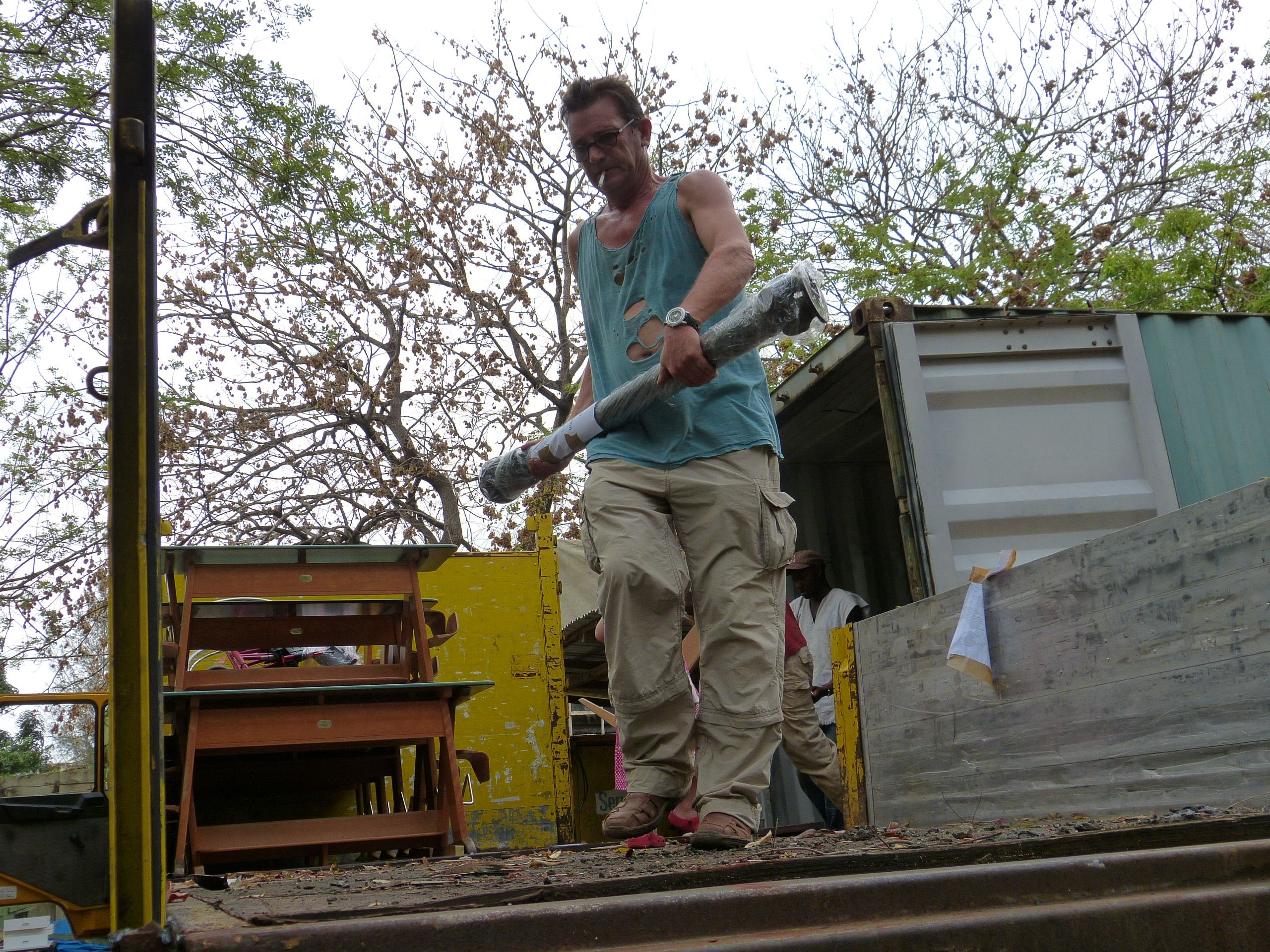
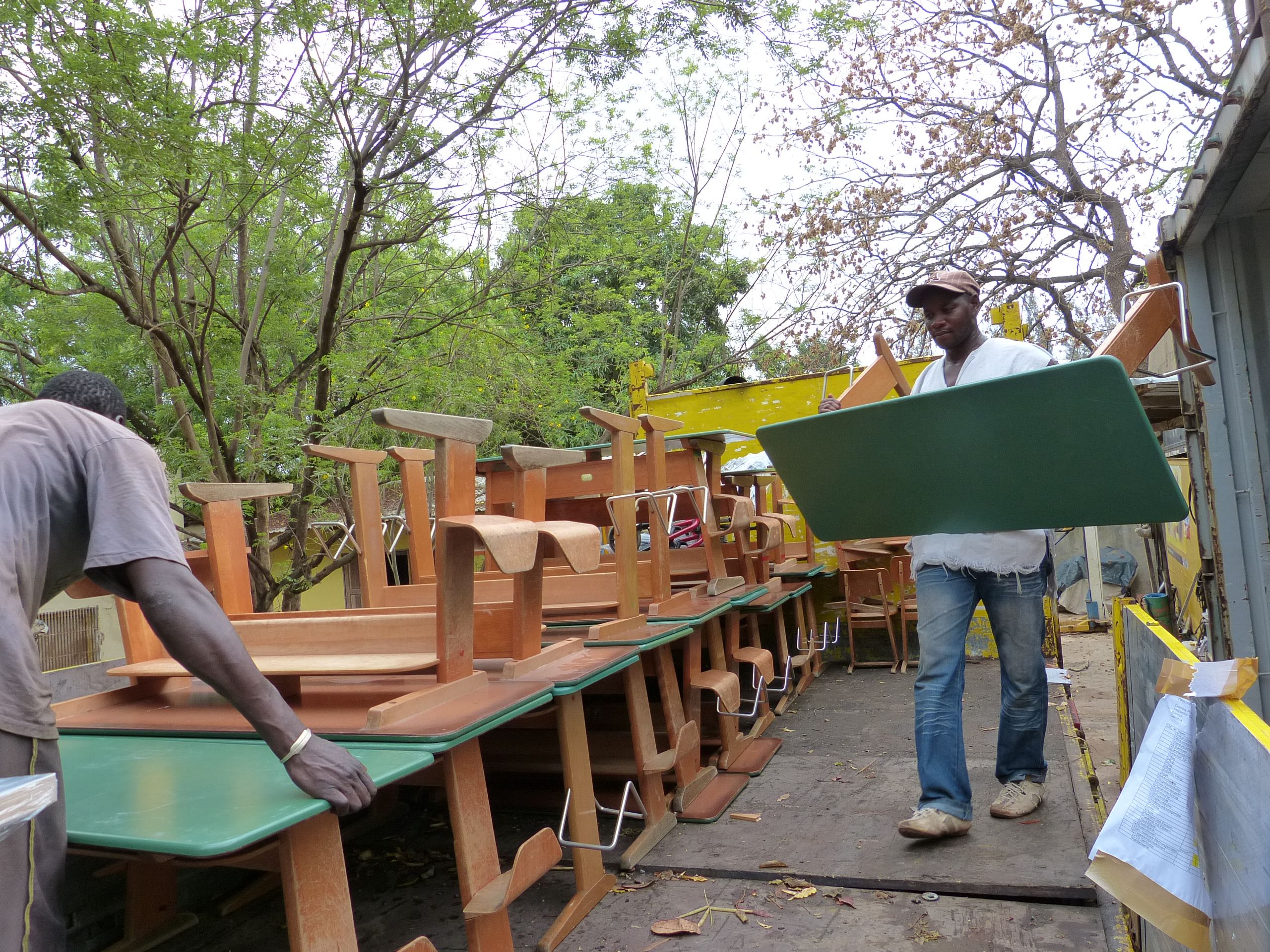
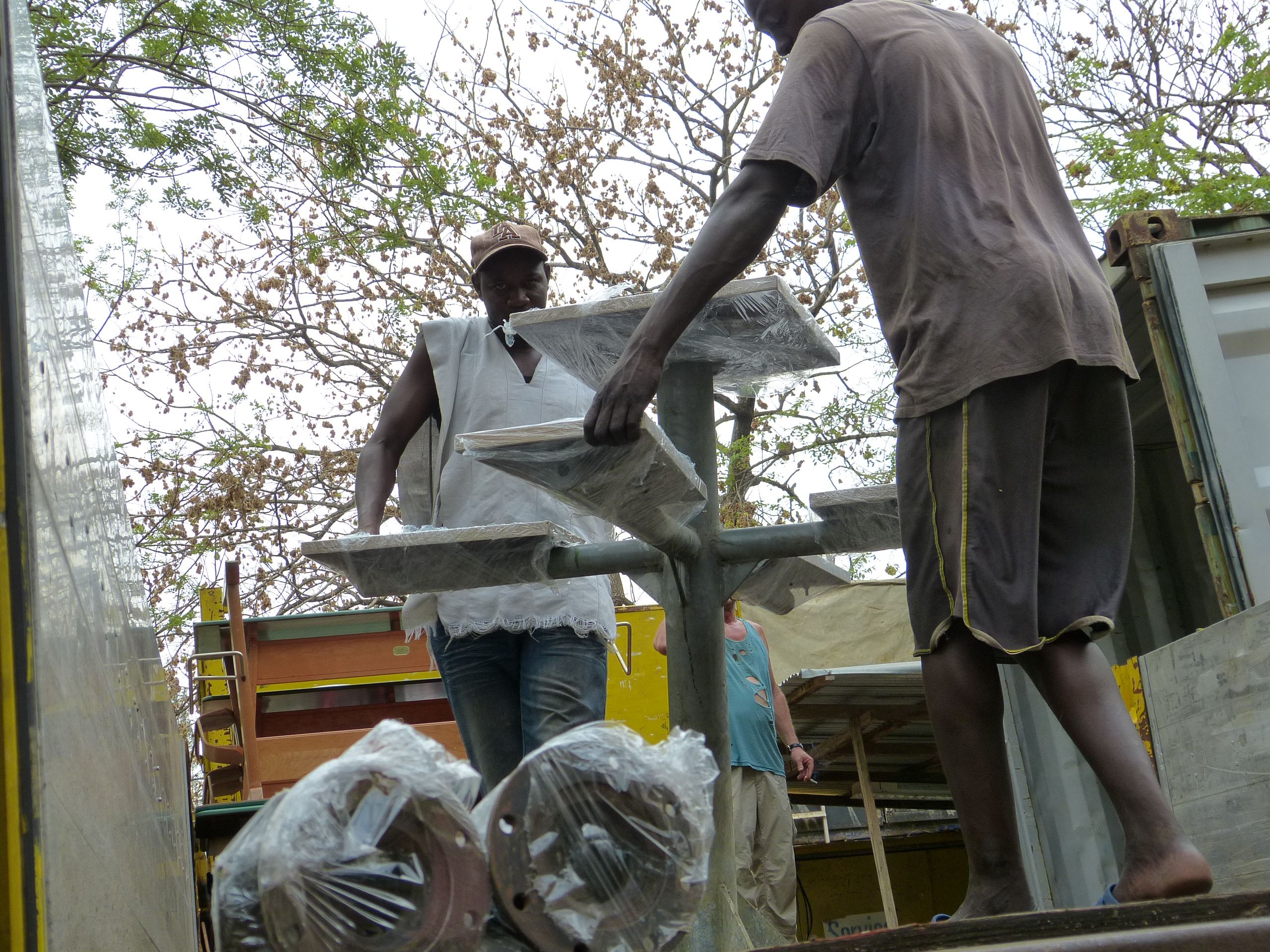
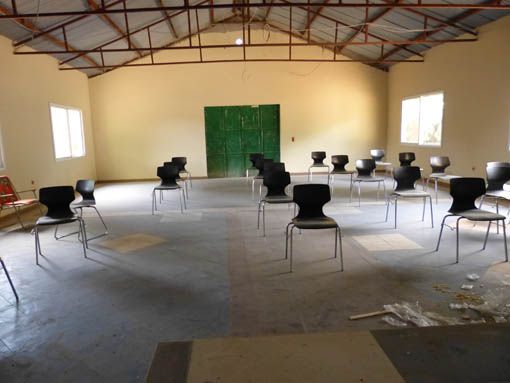
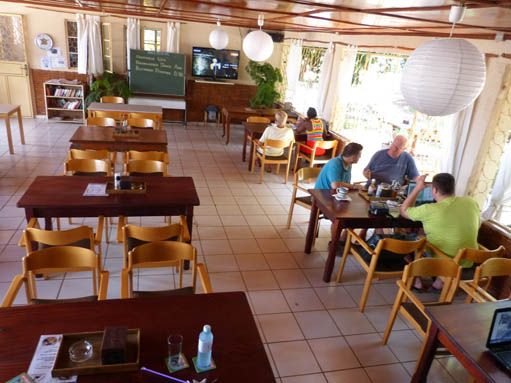
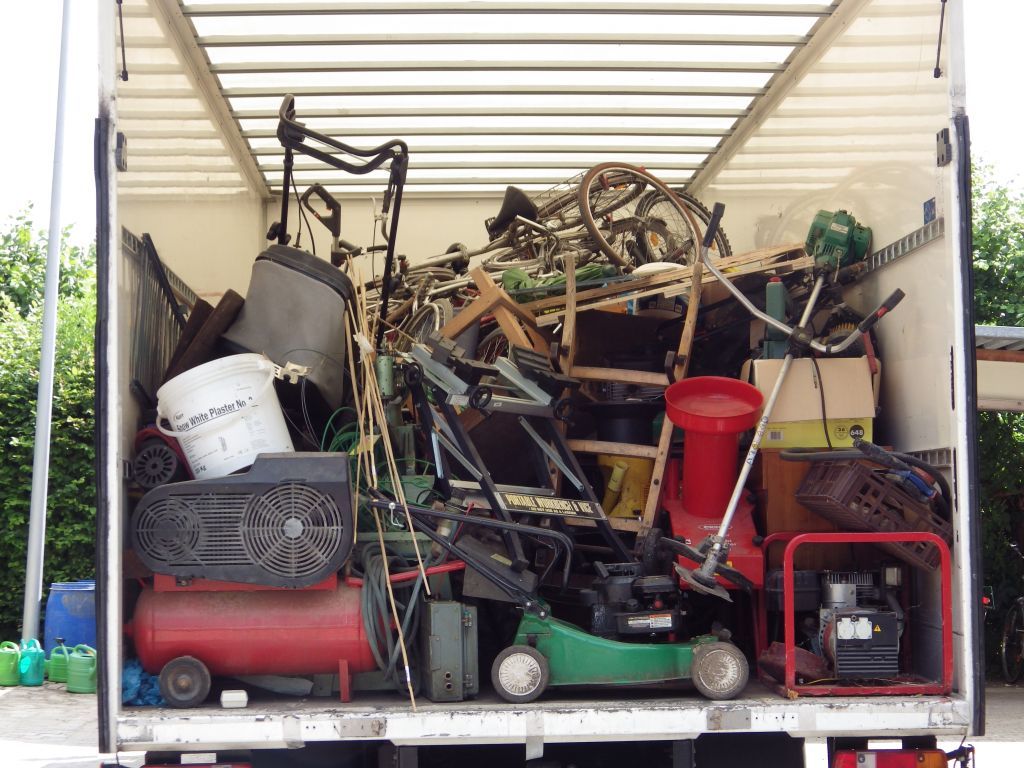
The cargo was agreed with Heinz Borman, representative and tireless driver of DBO’s diverse activities on site: including 180 school chairs, 80 tables, large play equipment, gardening tools, projectors, bicycles and a large number of floor tiles

The container set off from Hamburg on the 8800 TEU container ship MSC Athos and reached Banjul on August 28.

We received the following photos from The Gambia from Heinz Bormann.

Posted in Innenansichten | Comments Off on Donations for Gambia arrived

Another successful collection of donations in Sehnde

We had to hire an additional truck to transport the large number of donations that our DGB colleagues in Sehnde had collected for us. Thank you very much!

Posted in Innenansichten | Comments Off on Another successful collection of donations in Sehnde

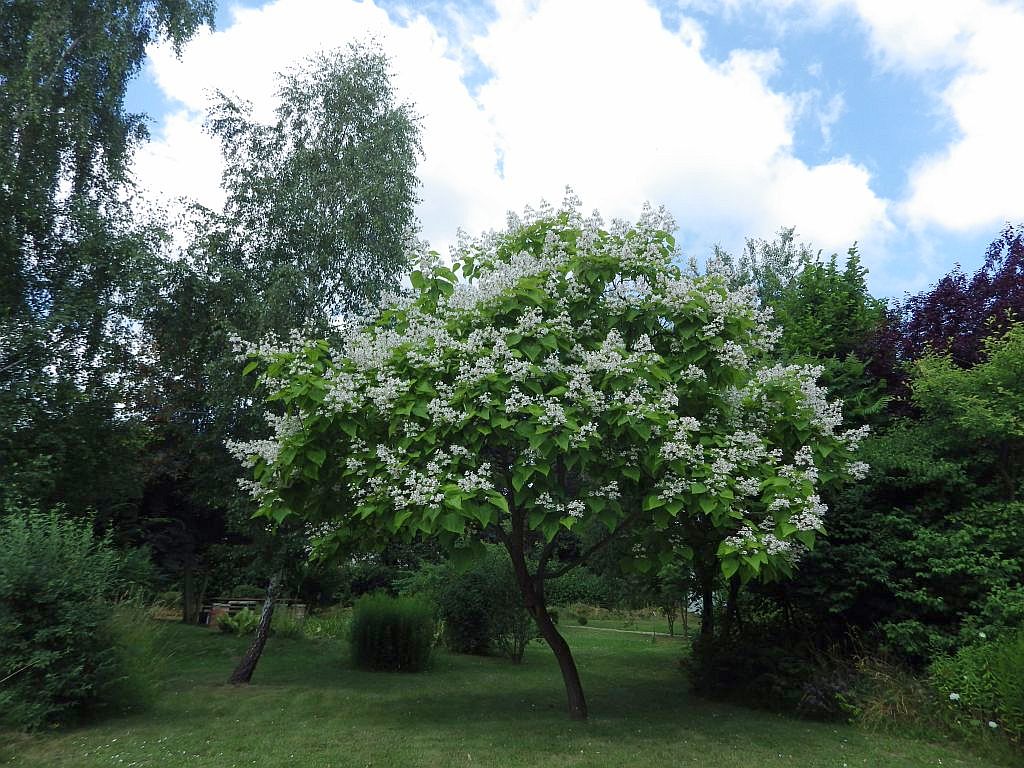
Catalpa blooms on the association grounds in the “Garden of the Senses”

Posted in Innenansichten | Comments Off on Catalpa blooms on the association grounds in the “Garden of the Senses”

4 x 40′ containers to Eritrea

In April and at the end of May, we shipped a total of four 40′ containers to Eritrea. The recipients were the Eritrean War Disabled and Disabled Persons Association (ENWDVA) and the union umbrella organization NCEW.

The donations will be used to support the mobility and participation of disabled people in Eritrea and to provide technical equipment for a training center in Massawa.

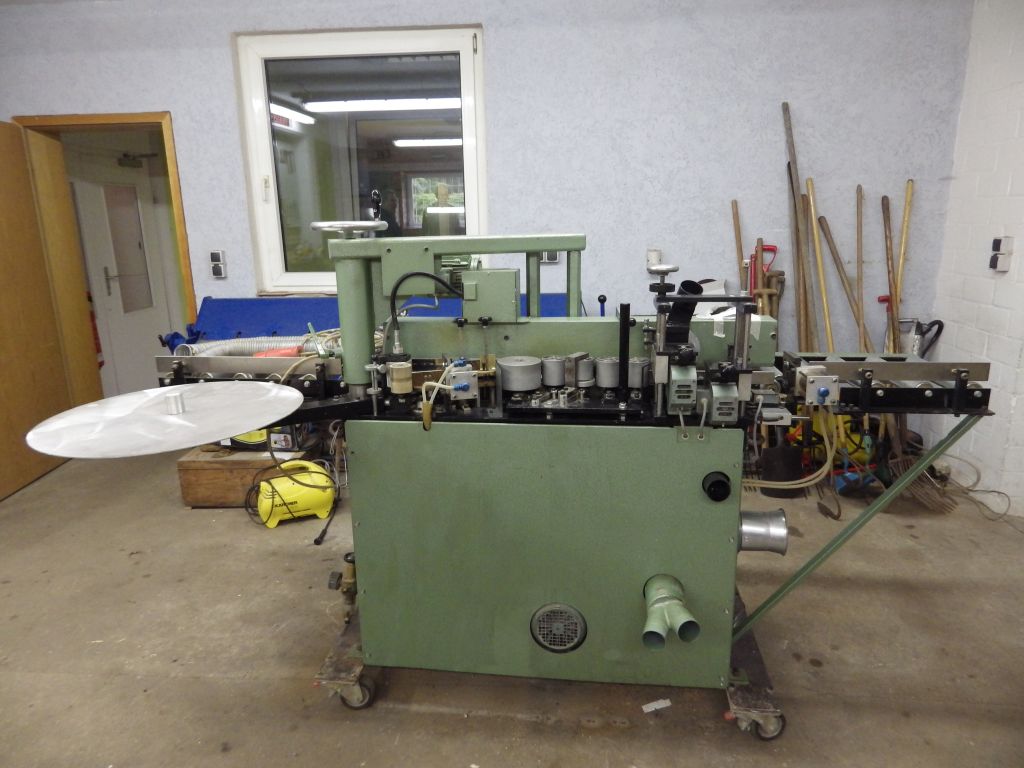
The photo shows an edge banding machine.

Posted in Innenansichten | Comments Off on 4 x 40′ containers to Eritrea

Visit at ADW

Today we were visited by Heidulf Masztalerz, founder and chairman of the Straßenkinder Tansania association. We discussed possibilities for cooperation.

Masztalerz was Vice President of the Lüneburg-Stade Chamber of Skilled Crafts for many years and a board member of the Association of German Chambers of Skilled Crafts (DHKT).
www.strassenkinder-tansania.de

Posted in Innenansichten | Comments Off on Visit at ADW

Hildesheim Goldrenette planted

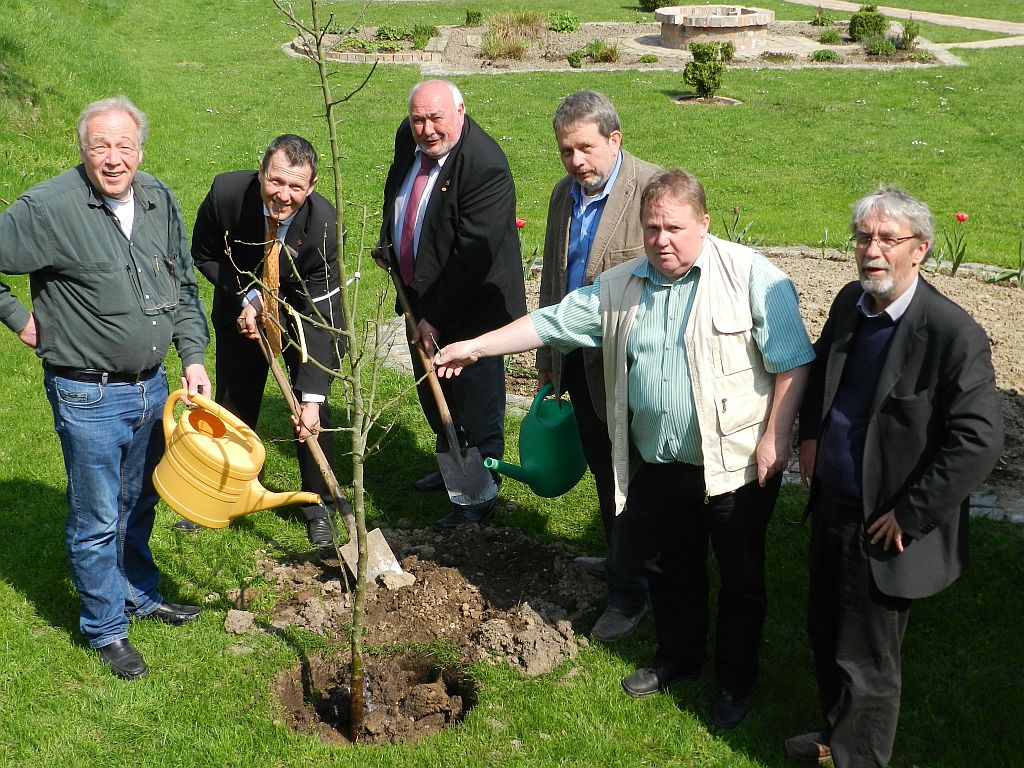
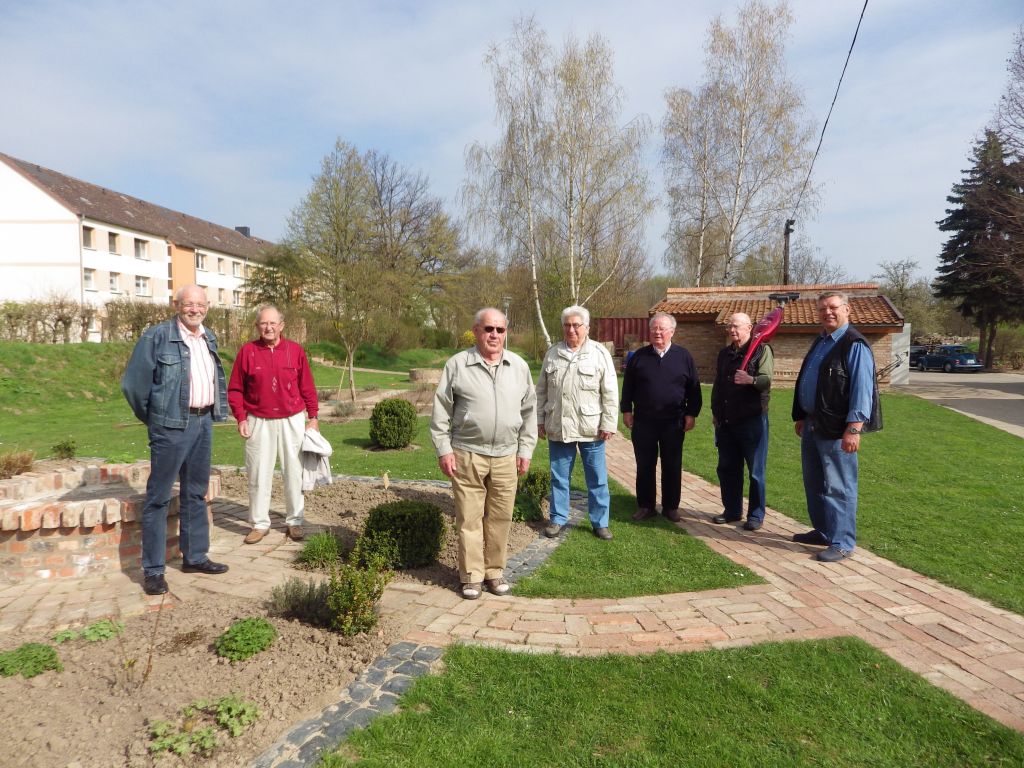
Erich Göttling, Uwe Steinhäuser, District Administrator Rainer Wegener, Matthias Kaufmann, Friedhelm Hallmann and Thomas Brien plant a Hildesheim Goldrenette in the garden of sensen on the premises of Arbeit und Dritte Welt.

With this campaign, the participants want to make a contribution to the preservation of historical fruit varieties from the region.

Previously, the participants, members of the organization team of the charity double header tournament in the Panorama Lounge in Hildesheim, had handed over a cheque for 1250 euros.

This old apple variety was grown from seed by the Protestant superintendent Cludius in Hildesheim around 1831 and has since spread mainly in the Hanover-Brunswick area. Harvest time is October. The apple ripens from December to March and is a large, smooth, golden-yellow, sun-reddened, delicately aromatic, tart dessert apple.
Young trees of the Borsumer Zwetsche and the Hildesheimer Saftrenette were also planted.

Before receiving this donation, Thomas Brien provided information about the tasks and objectives of the non-profit association.

Further Hildesheim Goldrenette trees are to be planted at suitable locations in the city and in the Hildesheim countryside.

Photo: from left to right: Erich Göttling, Matthias Kaufmann, Reiner Wegner, Uwe Steinhäuser, Friedhelm Hallmann and Thomas Brien “save the Hildesheim Goldrenette”.
Posted in Innenansichten | Comments Off on Hildesheim Goldrenette planted

Visit by colleagues from IG B.A.U.

Posted in Innenansichten | Comments Off on Visit by colleagues from IG B.A.U.

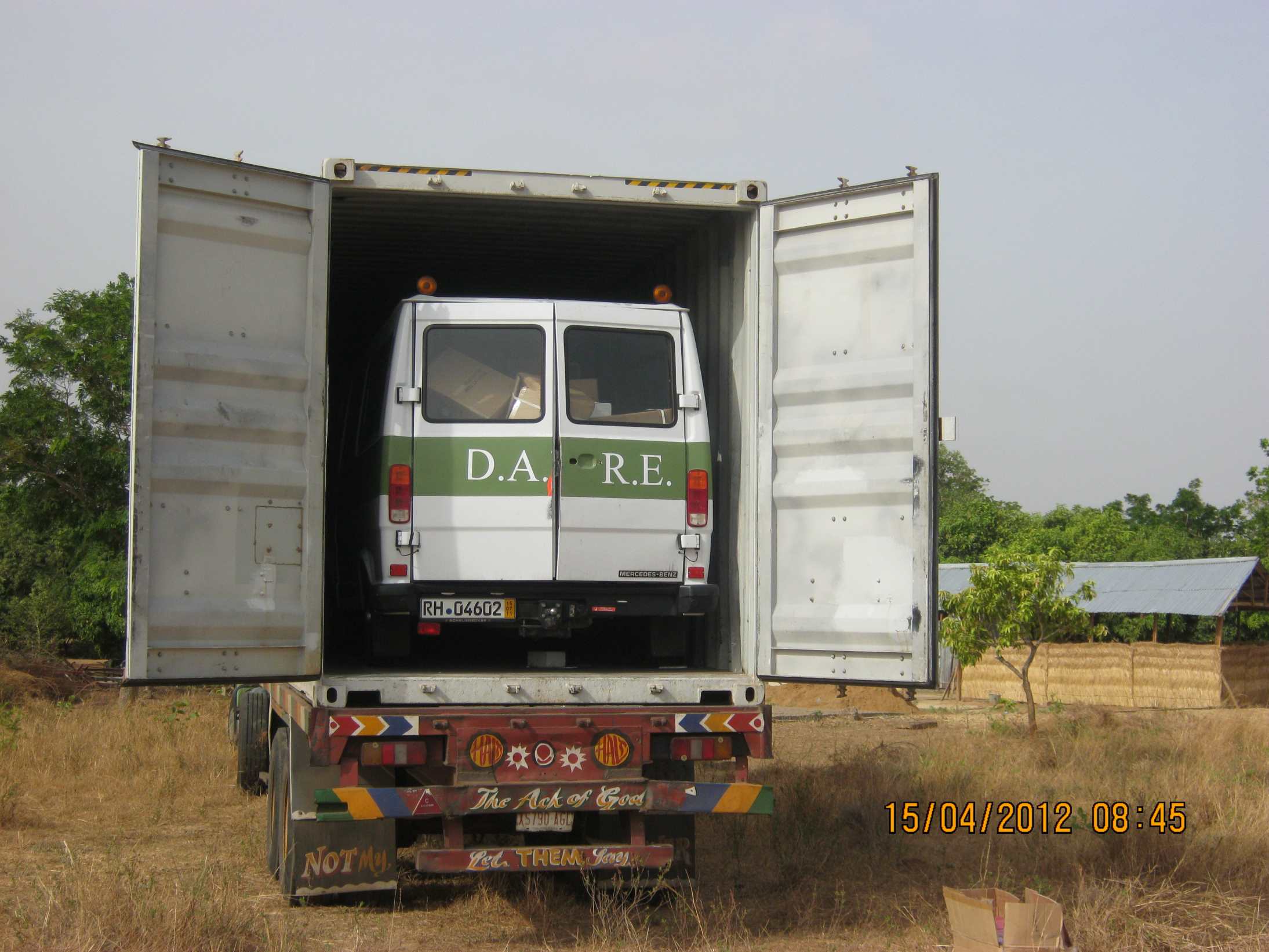
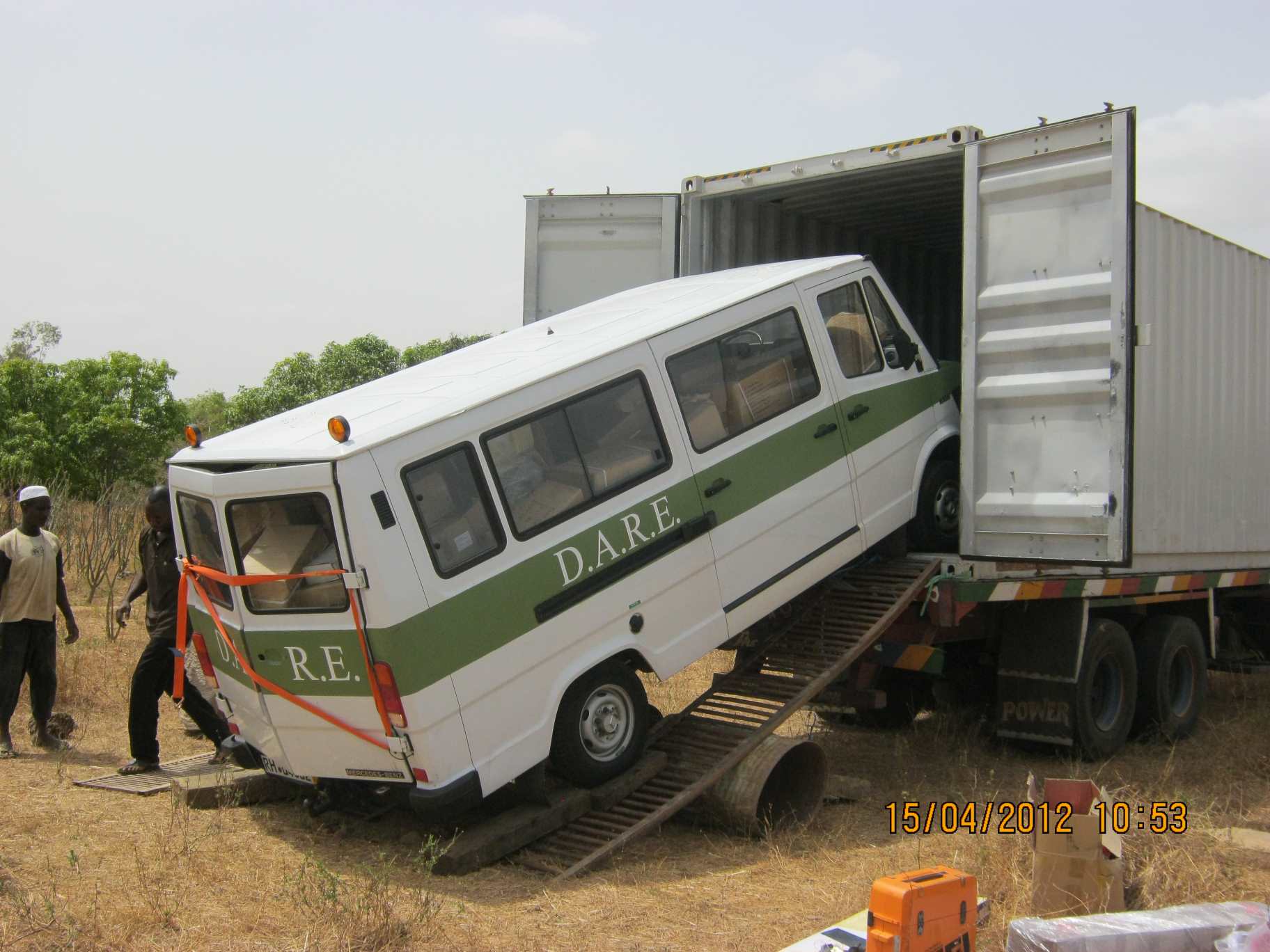
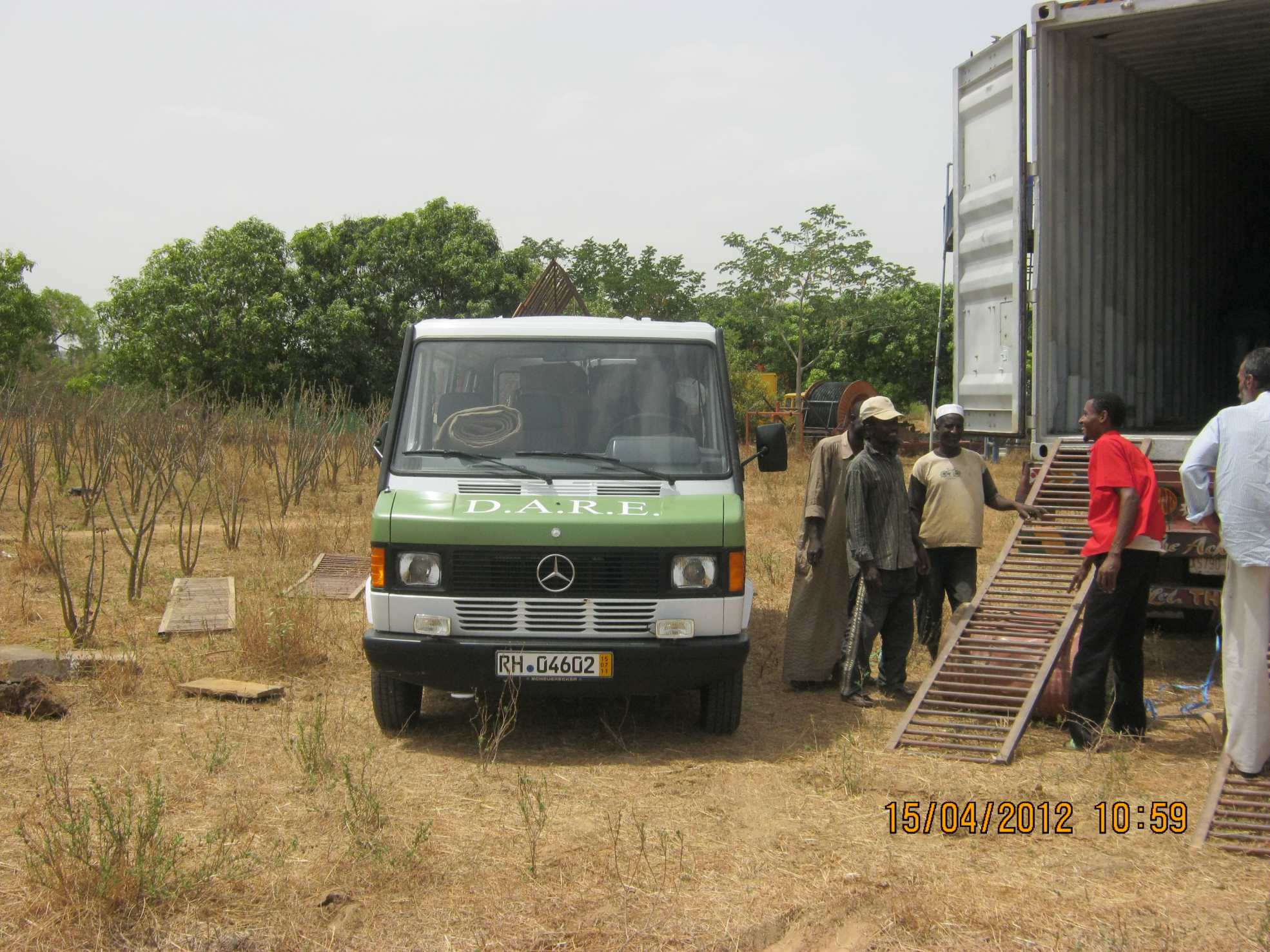
Container and minibus arrive in Kaduna / Nigeria

Posted in Innenansichten | Comments Off on Container and minibus arrive in Kaduna / Nigeria

Meeting with representatives of the German Sudanese Association For Development (GSAD)

The association, based in Hildesheim, was founded by a group of Sudanese and activists from Germany. The aim is to initiate a dialog based on humanitarian and cultural aspects, to raise awareness among the German public about the situation in Sudan and the Sudanese refugees in Germany and to support small projects in the health and education sectors in Sudan.

Last year, the association organized a very well-prepared and well-attended two-day event at the Trillkegut in Hildesheim, inviting expert speakers on a wide range of topics. On this occasion, we were also able to see for ourselves the high quality of the association’s work.

The purpose of our meeting was to get to know each other and exchange information. We also took this opportunity to find out about the apparently very difficult and unfortunate situation of Sudanese refugees in Lower Saxony, who are forced into inactivity due to a work ban. There seems to be no perspective for these people.

We would like to continue these meetings and discuss possibilities for cooperation.

Posted in Innenansichten | Comments Off on Meeting with representatives of the German Sudanese Association For Development (GSAD)

Under discussion: Europeans are once again underdeveloping Africa

Economic Partnership Agreements (EPA) refers to an EU-sponsored agreement on free trade areas between the EU and the ACP states (mostly former European colonies in Africa, the Caribbean and the South Pacific).

The previous non-reciprocal trade preferences between the ACP states and the EU will be replaced by reciprocal trade agreements. Prof. Charles Chukwuma Soludo has put forward arguments against the new agreement in an article in NewAfrican magazine.

  1. As a precondition for Africa’s future access to the European market, the EPA agreement stipulates that the African participating states must reduce import duties on goods from the European Union by at least 80%.
  2. In contrast, the import tariffs previously set by the World Trade Organization (WTO) did not represent a reduction in customs tariffs for developing countries. But under the EPA, the tariff reductions are even more massive than the import tariff level agreed with the WTO vis-à-vis the BRIC countries (Brazil, Russia, India and China).
  3. One of the consequences is that African countries would not be able to support their own companies through public procurement or contracts, as European companies are to be treated equally in tendering procedures.
  4. the European Union feels economically threatened by the export activities of the BRIC countries and is therefore trying to secure and develop resources and markets in Africa through the EPA agreement. From the EU’s perspective, the emerging BRIC countries threaten the global economic, military and geopolitical landscape. These new pressures increase the need for renewable natural resources and new markets. To safeguard national security and protect its assets, the EU must of course move quickly. Because the major powers are no longer able to impose new rules on developing countries through the WTO, bilateral and regional policies and agreements are being used instead.
  5. In many ways, this agreement mirrors the results of the Berlin Conference of 1884-85, where the colonization of Africa by European powers was formalized in the name of “suppressing slavery”. In the same way, it is EU self-interest in the guise of “aid and assistance to Africa”. It is the old classic “divide and rule” policy. And while the EU can negotiate as a bloc, the ACP countries are divided into seven regions, sometimes not exactly in line with regional integration.

    If the main issue is indeed the “development” of Africa, there are certainly better proposals for a positive relationship between Europe and Africa. The African Union, various sub-regional groupings and even the ACP trade ministers have recommended alternatives to EPAs. There is no need to repeat history.

    Summary of: Soludo Chukwuma Charles, 2012. “Europe underdeveloping Africa again?”, In: NewAfrican, April 2012
Posted in Innenansichten | Leave a comment